

Understanding Medicaid Planning in Maryland
Medicaid planning in Maryland requires a thorough understanding of the state’s specific regulations and guidelines to ensure eligibility for long-term care benefits while preserving assets. With the rising costs of nursing home care and other long-term care services, navigating Medicaid rules can be a critical step in securing necessary support without depleting family wealth. A comprehensive Medicaid plan involves evaluating income, assets, and expenses to structure them in a way that aligns with Maryland’s Medicaid eligibility requirements.
One of the key aspects of planning is identifying which assets are countable and which are exempt under Medicaid rules. This distinction can make a significant difference in determining eligibility. For example, certain assets like a primary residence, vehicles, or personal belongings may be considered exempt, provided specific conditions are met. Proper planning can ensure these exemptions are leveraged effectively, while still allowing for the preservation of other family resources.
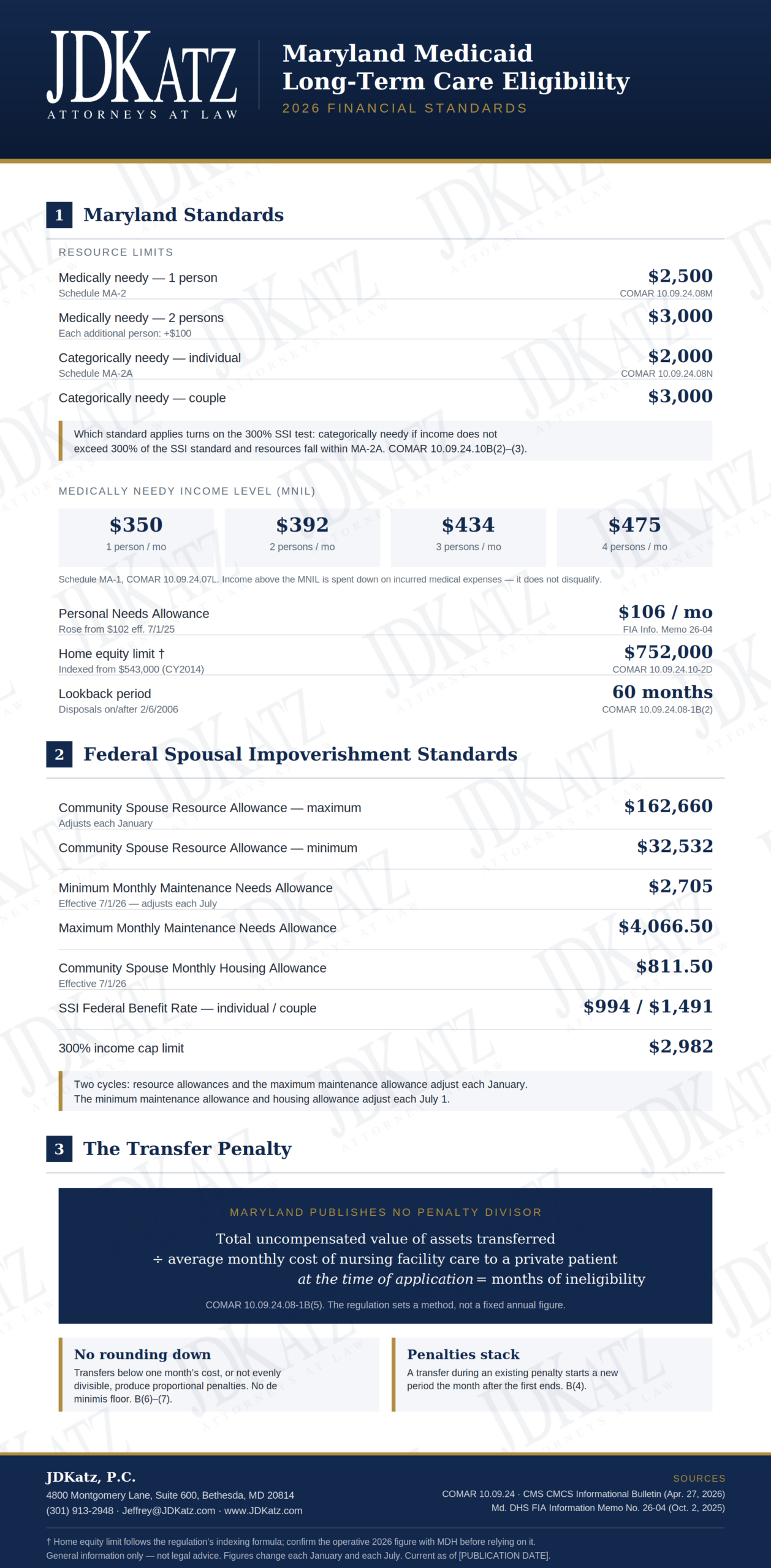
Timing also plays a crucial role, as Medicaid has a five-year look-back period for asset transfers. Any financial decisions made during this period are closely scrutinized, and improper transfers could result in penalties or delays in benefit eligibility. Thoughtful and proactive planning can help mitigate these risks and avoid common pitfalls.
For many families, the process of Medicaid planning can seem overwhelming due to the complex rules and potential legal implications. Seeking professional assistance ensures that every detail is carefully addressed and all actions comply with Maryland’s Medicaid regulations. Understanding and navigating this process is essential to achieving the best outcomes for families facing the challenges of long-term care.
Sheltering Exemptions Through Real Estate
Real estate can play a pivotal role in Medicaid planning, especially when it comes to sheltering assets through permissible exemptions. Under Medicaid regulations, a primary residence is often treated as an exempt asset, provided it meets certain conditions such as being the applicant’s home or falling within equity value limits set by the state. This allows families to retain significant value in their home while still meeting eligibility criteria for Medicaid benefits.
For individuals who anticipate needing long-term care, careful planning around real estate can help maximize the available exemptions. For example, reinvesting proceeds from the sale of a home into a new primary residence can maintain exemption status. Additionally, structuring property ownership through strategies like life estate deeds or specific trust arrangements can further protect the asset from being counted toward Medicaid eligibility thresholds.
Another key aspect of real estate planning is timing. Any transactions involving property, such as gifting, transferring, or selling, must be handled with care to avoid penalties during Medicaid’s five-year look-back period. Missteps can result in delays or disqualification from benefits, making expert legal guidance essential in this area.
It’s also important to consider the tax implications of real estate strategies. Decisions about buying, selling, or transferring property may have consequences for capital gains taxes or other financial obligations. Working with professionals who understand both Medicaid and tax law ensures that every step aligns with your overall planning goals.
By leveraging real estate strategically, individuals and families can safeguard valuable assets while meeting Medicaid eligibility requirements.
Case Study: Maximizing Benefits Through Home Sale
An individual who was already receiving Medicaid had purchased a home for $200,000 with a $100,000 mortgage and decided to sell the property years later for $700,000. Recognizing the importance of safeguarding these proceeds while maintaining Medicaid eligibility, the individual worked with legal professionals to craft a strategic plan. The sale proceeds were held in a Medicaid compliant escrow and reinvested into a $600,000 primary residence, purchased outright with no mortgage, ensuring the funds remained exempt under Medicaid rules, and the individual retained eligbility for Medicaid throughout the process. This transaction not only preserved the value of the proceeds but also allowed the individual to continue meeting the program’s strict asset limits.
The timing and structure of this real estate transaction were critical to its success. By reinvesting the sale proceeds directly into a new primary residence, the individual avoided any penalties associated with having excess resources, or transfers within Medicaid’s five-year look-back period. In addition, careful planning ensured that the equity in the new home complied with Medicaid’s asset exemption limits, effectively sheltering the funds and equity in the home from being considered countable assets.
This case also highlights the importance of understanding the broader implications of real estate decisions. Legal guidance helped the individual navigate potential tax liabilities, such as capital gains tax, ensuring the transaction was financially efficient and legally sound. Strategies like these can make a significant difference in preserving resources for long-term care while adhering to Medicaid regulations.
Leveraging Real Estate for Optimal Outcomes
Real estate transactions can serve as a powerful tool in Medicaid planning when structured with precision and foresight. For individuals navigating the complexities of Medicaid eligibility, strategic use of property can safeguard significant assets while complying with state regulations. One common approach involves reinvesting proceeds from the sale of an existing home into a new primary residence. This strategy ensures that the value of the proceeds remains exempt under Medicaid rules, preserving them from being categorized as countable assets.
Other methods include creating life estate deeds or transferring property into specific types of trusts. These techniques help protect the home while allowing individuals to retain certain rights, such as living in the property or receiving rental income. Each strategy requires careful consideration of Medicaid’s guidelines, including rules on equity value limits and ownership requirements, to avoid penalties or disqualification.
Additionally, timing plays a crucial role in executing real estate strategies. Medicaid’s five-year look-back period requires that any property transfers or sales be conducted with precision to prevent ineligibility or penalties. Navigating these transactions demands a deep understanding of both legal and financial considerations, as improper handling can result in significant delays or complications in qualifying for benefits.
Equally important are the tax implications tied to real estate decisions. Transactions like home sales or transfers can trigger capital gains taxes, which must be accounted for in the broader financial strategy. Working with professionals who specialize in both Medicaid and tax law ensures these details are addressed, aligning every decision with the client’s long-term goals.
Real estate offers a unique opportunity to preserve wealth while ensuring access to essential care, but the success of these strategies hinges on careful planning and expert guidance.
JDKatz: Your Partner in Medicaid Planning
At JDKatz, we bring years of expertise to the complexities of Medicaid planning, combining a detailed understanding of Maryland’s regulations with a strategic approach to protecting assets. Our attorneys specialize in crafting tailored plans that address both immediate needs and long-term goals, ensuring clients can access essential care without jeopardizing their financial security.
With a focus on real estate and tax law, our team leverages advanced strategies to preserve wealth while maintaining Medicaid eligibility. Whether it involves structuring a real estate transaction, creating specialized trusts, or navigating Medicaid’s five-year look-back period, we ensure every decision is handled with precision and compliance. Our collaborative approach allows us to work closely with financial experts, ensuring each strategy integrates seamlessly into your overall financial plan.
We understand the emotional and financial stress that can accompany Medicaid planning. Our team is dedicated to addressing every concern, simplifying the process, and providing clear guidance at every step. We stay ahead of changing laws and regulations to deliver the most effective solutions for our clients. At JDKatz, every detail matters, and we take pride in the diligence and care we apply to protecting what matters most to you.
Resources for Effective Medicaid Planning
When navigating the intricate process of Medicaid planning, having access to the right resources can make all the difference. At JDKatz, we recognize the importance of equipping families with reliable tools and information to make informed decisions. Our firm provides a variety of resources to support individuals in protecting their assets while meeting Medicaid eligibility requirements.
For those seeking a deeper understanding of Maryland Medicaid planning, we highly recommend our guidebook, *Finding Safe Harbor: The Complete Maryland Medicaid Planning Guide 2025*, authored by our experienced legal team. Available on Amazon, this guide offers an in-depth exploration of Medicaid’s complex rules and includes actionable strategies to help families preserve their wealth and secure quality care. Packed with case studies, legal insights, and practical steps, it is designed to demystify the process and empower readers to plan confidently.
Additionally, our website, JDKatz.com, serves as a hub of valuable information for individuals at any stage of Medicaid planning. Here, you’ll find articles, legal updates, and insights that break down complicated Medicaid policies into clear, manageable guidance. Our goal is to help you understand how strategies such as leveraging real estate, establishing trusts, or structuring financial assets can impact your eligibility while protecting your family’s future.
We encourage you to explore these resources and reach out to our team for personalized assistance. With years of experience in elder law, tax law, and estate planning, we provide thoughtful, comprehensive solutions tailored to your unique circumstances. JDKatz is committed to ensuring every client feels prepared to navigate Medicaid planning with clarity and c