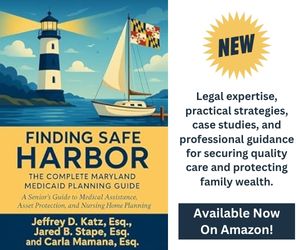

We recently caught a local news interview with elder law attorney Jeffrey Katz, who shed light on a topic that causes immense stress for seniors and their families: navigating the complex world of Medicare, Medicaid, and the staggering cost of long-term care.
With nursing home costs soaring and the rules of federal programs in flux, Katz’s advice on how to find a “safe harbor” for your assets has never been more urgent.
Here’s a summary of the critical takeaways from his discussion.
The Great Divide: Medicare vs. Medicaid
One of the most dangerous misconceptions seniors have is about what Medicare actually covers.
Katz clearly defined the two programs:
- Medicare: This is the health insurance program available to anyone who has paid into Social Security. It is not a long-term care solution.
- Medicaid: This is the “backstop” for Medicare. It is the only government program designed to cover the high costs of long-term nursing home care, but it is means-tested.
The $180,000-a-Year Problem
The distinction between these two programs becomes critical when you look at the numbers.
As Katz pointed out, Medicare only covers up to 100 days of care (typically for rehabilitation) before the benefit terminates. After day 100, you are responsible for the entire bill.
How much is that bill? “Up to $180,000 per year,” Katz stated.
For most families, paying that “private pay” rate out-of-pocket would liquidate a lifetime of savings, IRAs, and even the family home in a matter of months. This is why qualifying for Medicaid becomes essential for so many.
You Can’t Just Give Your Assets Away
This leads to the central crisis: How do you qualify for Medicaid if you have assets (like a home) that put you over the program’s strict limits?
Katz warned viewers against the most common—and most costly—mistake: “You can’t just give away your assets to qualify.”
Many people think they can simply sign their house over to their children. However, Medicaid institutes a 5-year look-back period. Any assets you gave away or sold for less than fair market value within five years of applying for benefits will result in a penalty, leaving you ineligible for coverage.
“Finding Safe Harbor” With Proactive Planning
This is where proactive legal strategy is key. Instead of making panicked decisions, Katz helps clients “find and optimize asset exceptions” before a crisis hits.
“We help identify strategies to deploy,” Katz explained, which can include:
- Restructuring assets.
- Utilizing specialized trusts.
- Downsizing a primary residence (and properly handling the proceeds).
- Understanding how to legally “spend down” assets on exempt purchases.
The goal is to legally and ethically position your assets so you can qualify for Medicaid when you need it, without losing everything you’ve worked for.
The Time to Plan is NOW
The biggest takeaway from Katz’s interview was urgency.
With looming federal Medicaid cuts threatening to change eligibility rules, waiting is a massive gamble. “Take a hard look at your assets NOW so that you have the advantage as you approach retirement,” Katz urged.
By planning years in advance, you not only get past the 5-year look-back period, but you may also be “grandfathered into programs”—securing protections that might not be available to those who wait.
The message was clear: a healthcare crisis is stressful enough. It shouldn’t also lead to financial ruin.